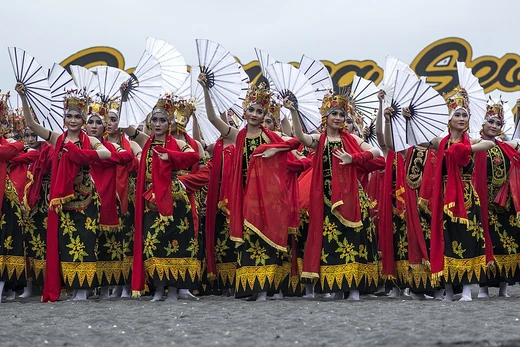
Life cycle ritual
Ceremonies marking changes in biological or social status.
A life cycle ritual is a ceremony that marks a shift in a person’s biological or social standing during different stages of life. These practices appear in many societies and typically draw on community traditions. They can also carry religious meaning rooted in various beliefs and ideals. The term is often used interchangeably with “rite of passage,” a concept introduced by Arnold van Gennep in his 1909 book *The Rites of Passage*, though it
- field
- Anthropology, Sociology
- known_for
- Ceremonies marking biological and social status changes
- key_theorist
- Arnold van Gennep
- categories
- Separation, liminal, incorporation
- associated_phases
- Birth, adolescence, marriage, death
Lore & Background
Life cycle rituals are ceremonies that individuals undergo when entering one phase of life to another. Arnold van Gennep, in his 1909 work The Rites of Passage, described society as composed of several disparate social groupings, divided into secular (e.g., financial strata) or sacred (e.g., being born, getting married), the latter being most closely associated with life cycle rituals. Van Gennep classified rituals into three categories: separation, liminal, and incorporation. The separation phase involves leaving one group or life phase, the incorporation phase involves joining the new phase, and the liminal phase is the transitive period in between.
Reader's Guide
Life cycle rituals are significant because they provide individuals with a sense of belonging and a deeper understanding of their being, fostering personal and family identity. They help individuals become more aware and accepting of inevitable life changes, reducing feelings of isolation. The decline of such initiation rites among males in today's technology-driven world has been associated with a loss of identification with the male group and feelings of anxiety. Conversely, extremely severe initiation rituals can induce cognitive dissonance, making the group more attractive to the initiate. Overall, the performance of rituals as part of cultural identity increases feelings of association with other group members, creating collective unity and imparting informal learning of social norms.
Did You Know?
- Van Gennep classified rituals into three categories: separation, liminal, and incorporation.
- In the Navajo tribe, the Kinaaldá ceremony marks the advent of womanhood for a girl when she experiences her first menstrual cycle.
- In Japanese Buddhist culture, after cremation, family members use special chopsticks to pick up bone fragments and place them in an urn.
- In the Garo community of Bangladesh, a pre-wedding ceremony involves the compulsory gifting of betel leaf, nuts and sweets to the groom from the bride's family.
More in Ritual 1-24
Spotted an error? Know more?
This is a living reference — every entry is fact-audited, and reader corrections feed straight into our audit queue. Suggest an edit · See this site's audit record